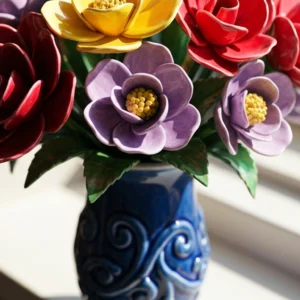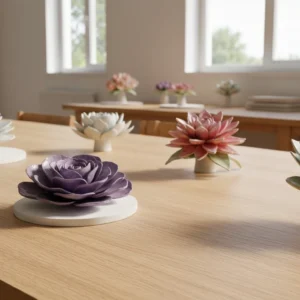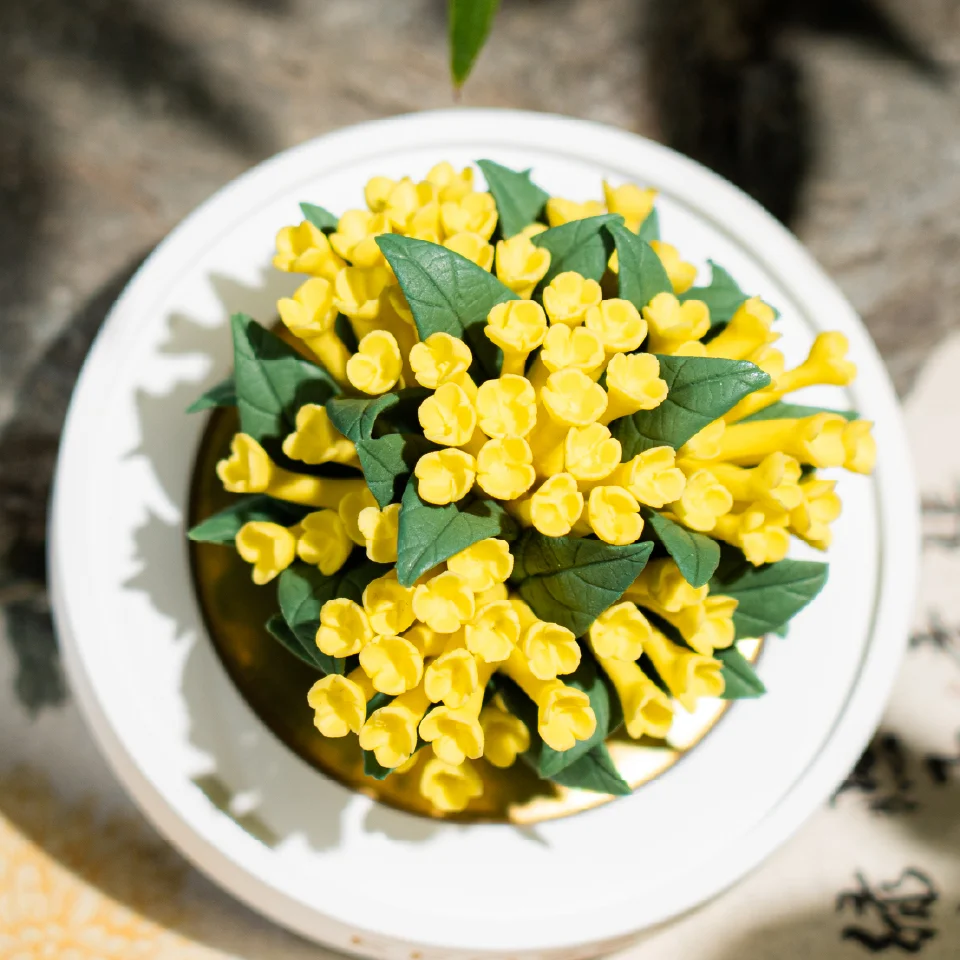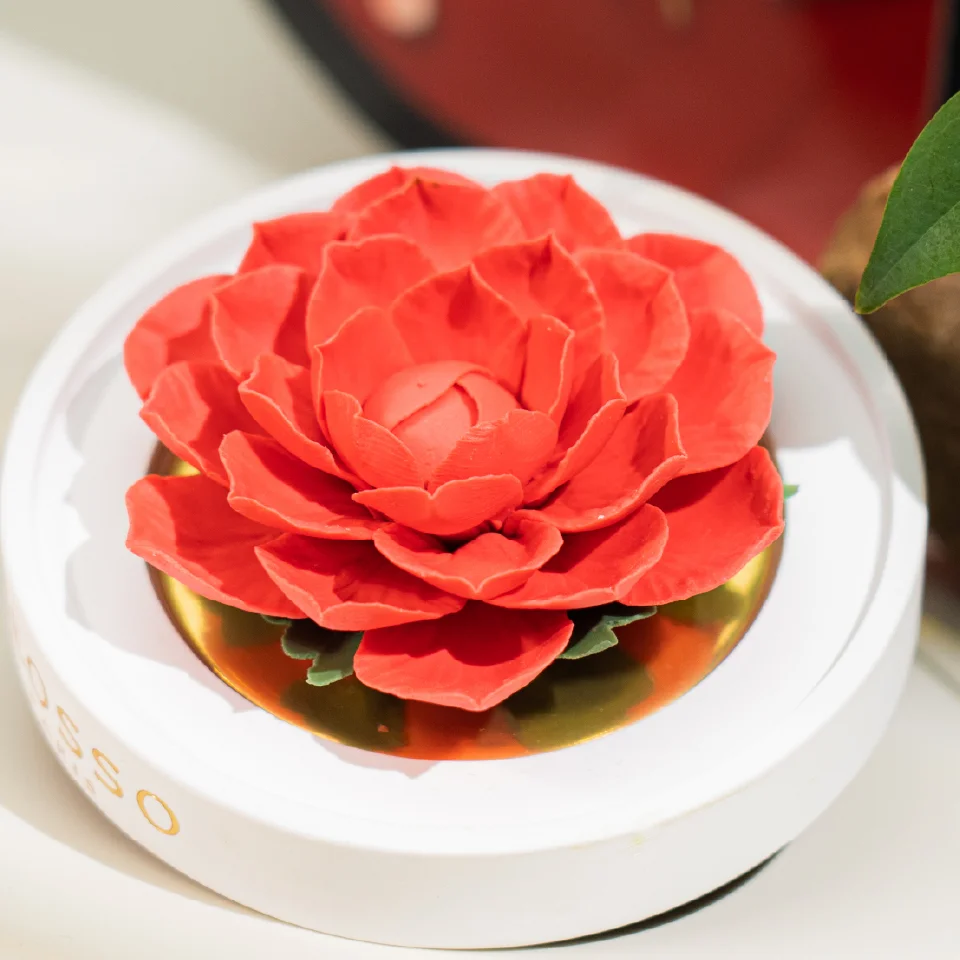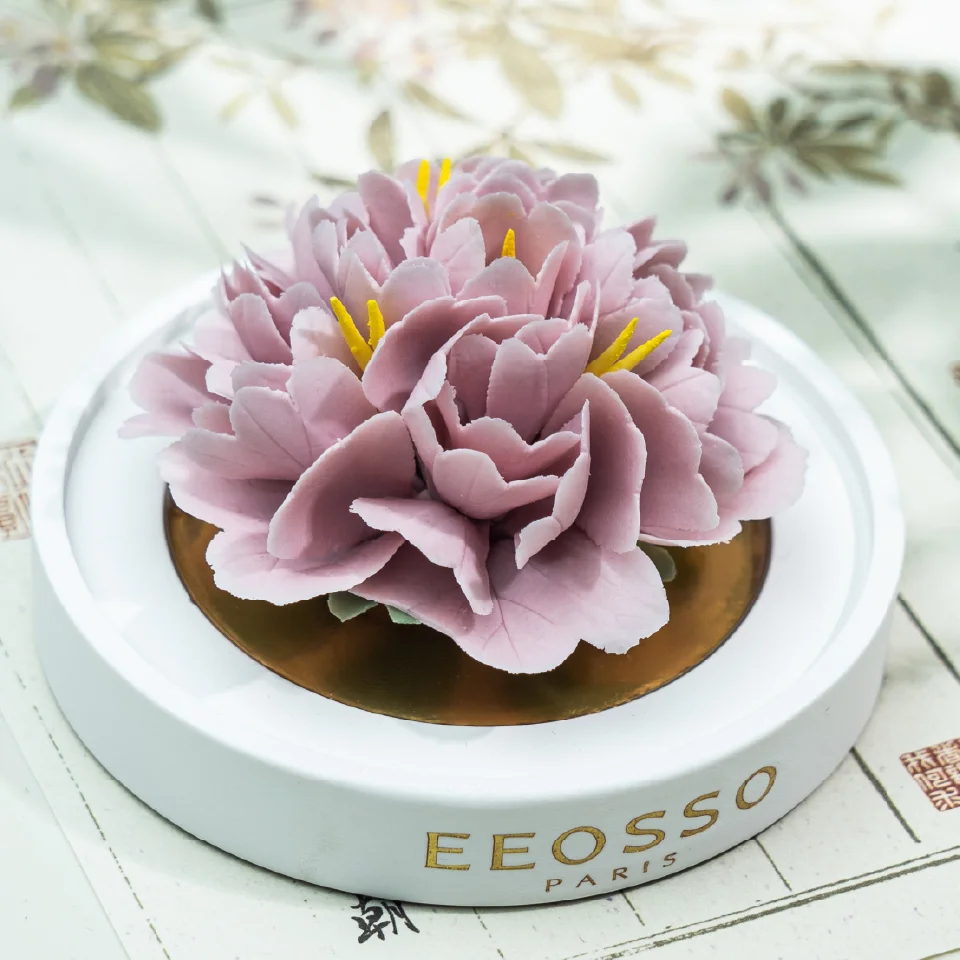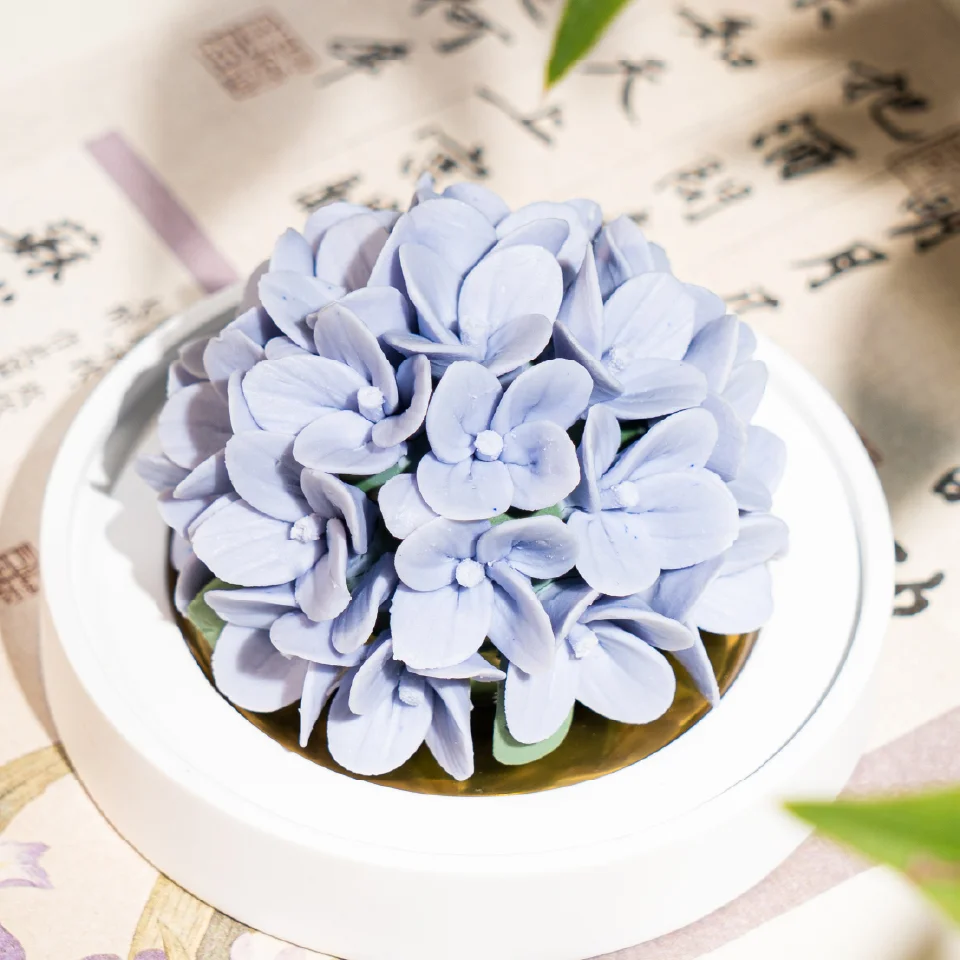
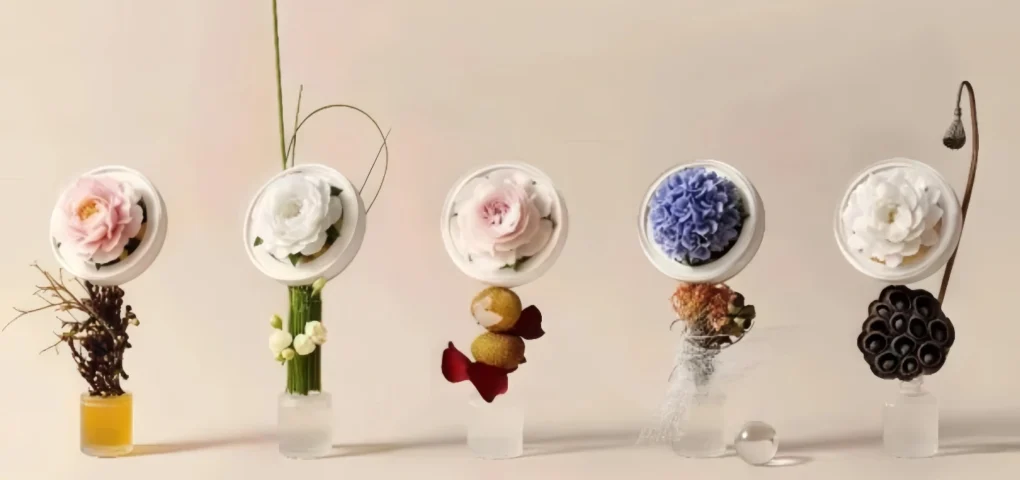
In the heart of Dehua County, Fujian Province, a place renowned as the “Hometown of Chinese White Porcelain,” a centuries-old craft continues to weave magic—turning ordinary clay into eternal blooms that defy the passage of time. This is the world of Dehua Hand-Pinched Porcelain Flowers, an art form that blends meticulous skill, cultural heritage, and boundless creativity, inviting the world to witness the extraordinary transformation of humble materials into works of breathtaking beauty.
Witness the Magic: Where Fingers Breathe Life into Clay
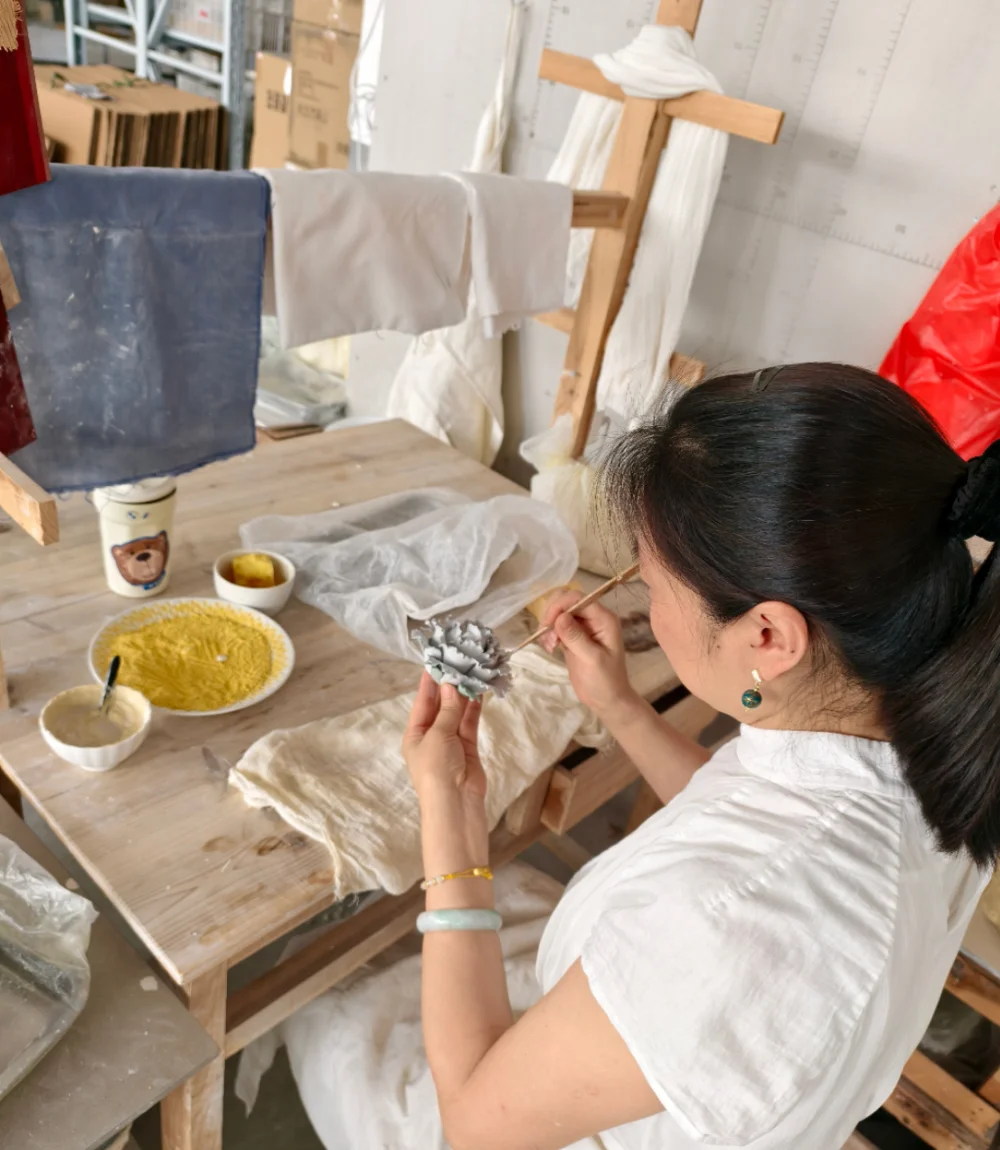
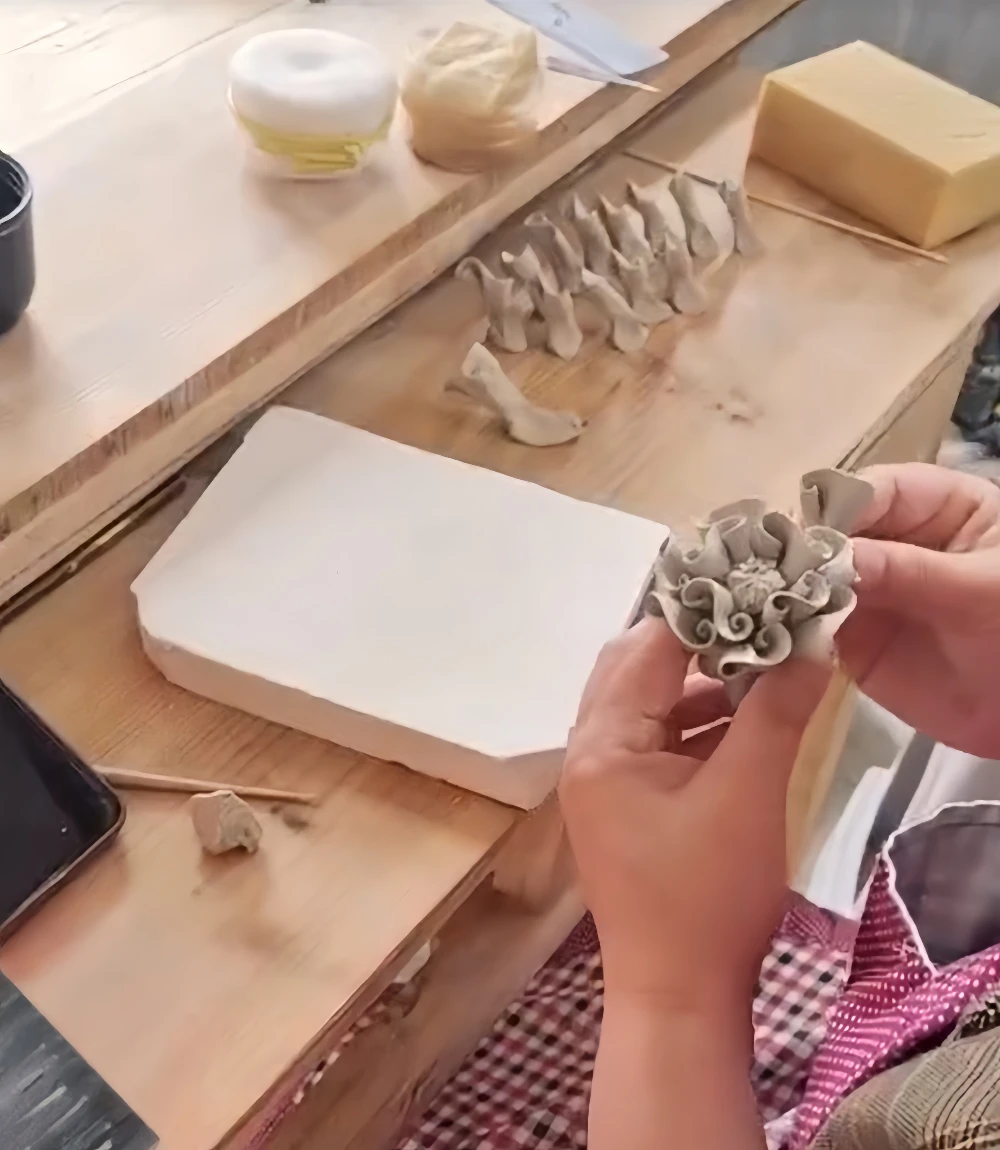
Step into a Dehua porcelain workshop, and you’ll be greeted by a scene that feels both timeless and alive. Skilled artisans, some of whom have dedicated decades to mastering the craft, sit at wooden worktables, their hands moving with a precision honed by generations of practice. In front of them lies a lump of Dehua clay—smooth, pliable, and seemingly ordinary. But in their hands, it begins to take shape.
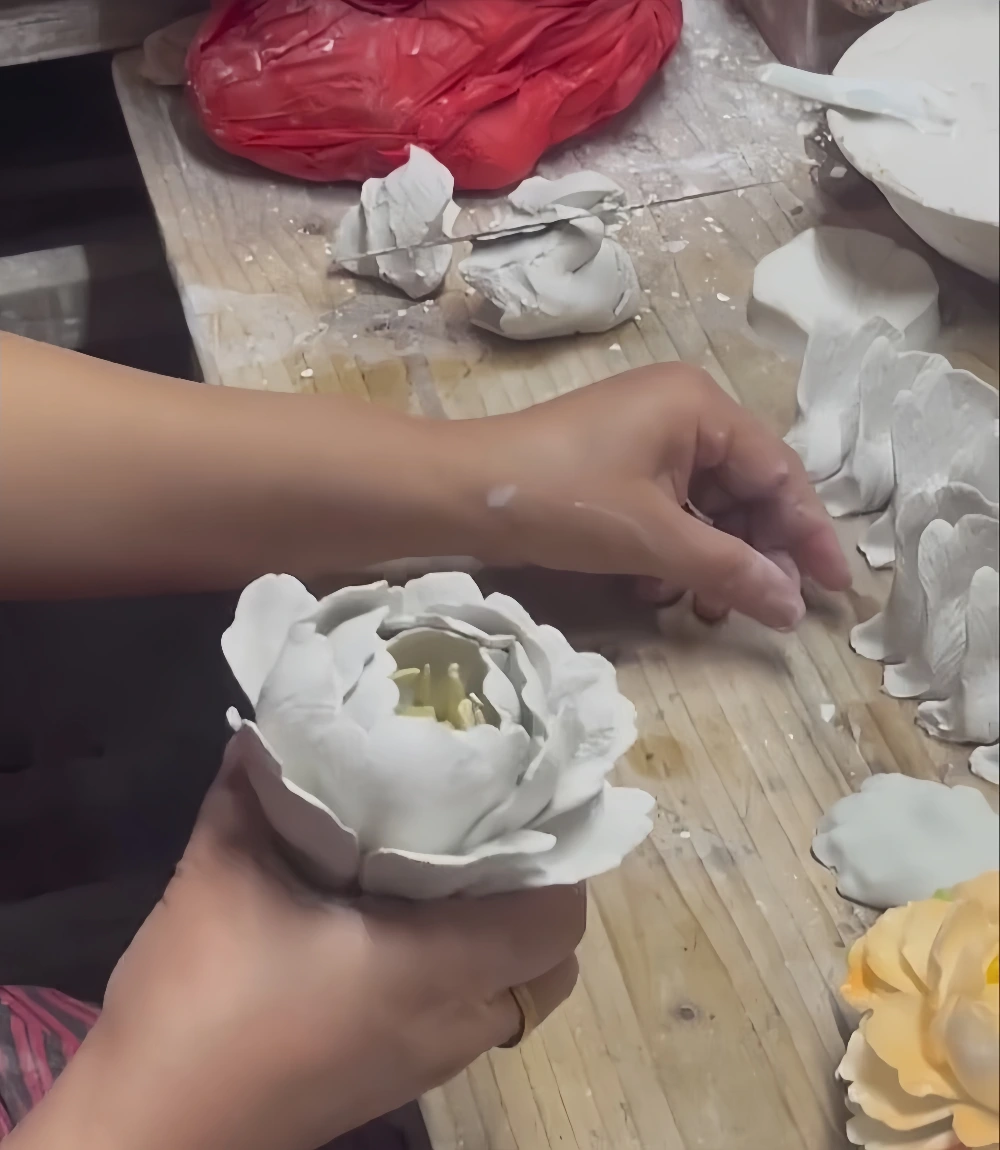
First, the clay is kneaded repeatedly, a process that expels air bubbles and ensures its uniformity—any imperfection here could ruin the final piece. Then, with a small rolling pin, the artisan flattens a portion of clay into a thin, even sheet, so delicate it resembles a cloud. Using specialized metal tools, they carefully cut out petal shapes, each one unique in size and curve, mirroring the natural variation of real flowers.
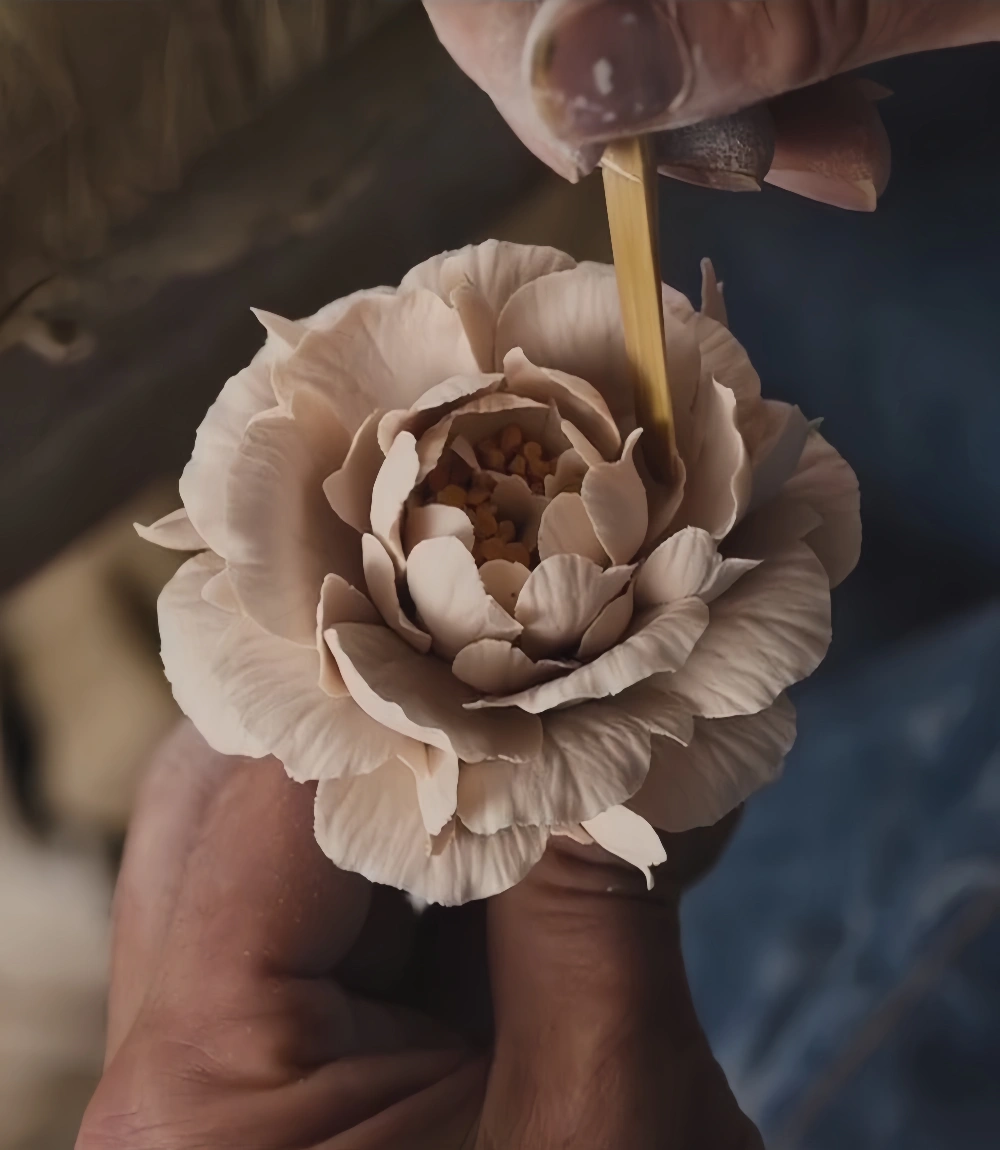
The most awe-inspiring step comes next: hand-pinching. With fingertips that seem to possess a sixth sense, the artisan gently pinches and shapes each petal, creating subtle folds, veins, and curves that mimic the softness and vitality of a real bloom. One petal at a time, they assemble the flower—attaching petals to a clay stem, adding tiny stamens made from finely rolled clay, and even painting delicate gradients of color with mineral pigments that fuse with the porcelain during firing.
It’s a process that demands immense patience and focus. A single small flower can take days to complete, and a larger, more intricate piece—such as a bouquet of peonies or a branch of plum blossoms—may require weeks of nonstop work. But for these artisans, the reward is far greater than the effort: seeing a lump of clay transform into a porcelain flower that looks so real, one might expect a bee to land on its petals. This is the magic of Dehua Hand-Pinched Porcelain Flowers—art that doesn’t just imitate life, but captures its essence.
Born from Legendary “China White” (BLANC DE CHINE): A Legacy Spanning a Millennium
The magic of Dehua Hand-Pinched Porcelain Flowers is rooted in a material as extraordinary as the craft itself: Dehua porcelain, also known as “China White” or “BLANC DE CHINE.” Its story dates back over a millennium, to the Song Dynasty (960–1279), when potters in Dehua first discovered the unique properties of the local clay. Rich in kaolin, quartz, and feldspar, this clay, when fired at extremely high temperatures (up to 1,300°C), transforms into porcelain of unparalleled beauty—earning Dehua the title of “Mother of World White Porcelain.”
What sets Dehua porcelain apart? Its four signature qualities are nothing short of remarkable. First, its snow-white purity: unlike other porcelains that may have subtle tints, Dehua porcelain boasts a bright, crisp white that evokes freshly fallen snow, giving it a sense of purity and elegance. Second, its jade-like warmth: when held in the hand, the porcelain feels smooth and 温润 (wen run)—not cold like glass, but with a gentle warmth that resembles polished jade, making it incredibly tactile and inviting. Third, its paper-thin bodies: master artisans can craft Dehua porcelain into pieces so thin that light can pass through them, creating a delicate, ethereal effect that showcases the material’s versatility. Fourth, its bell-clear resonance: tap a piece of Dehua porcelain, and it emits a clear, melodious sound that lingers in the air— a testament to its density and quality.
By the Ming Dynasty (1368–1644), Dehua porcelain had reached new heights of excellence, with artisans creating iconic works such as the famous “Guanyin” statues—serene, lifelike figures that showcased the porcelain’s ability to capture fine details and convey emotion. As global trade expanded, Dehua porcelain made its way to Europe, where it became a sensation among nobility and collectors. So rare and valuable was it that it was dubbed “White Gold,” with kings and queens vying to add Dehua pieces to their collections. Even today, antique Dehua porcelain pieces fetch millions at auctions, a testament to the enduring appeal of this legendary material.
Double UNESCO-listed Heritage: Preserving and Celebrating a National Treasure
In 2006, Dehua porcelain craftsmanship was officially inscribed on China’s list of Intangible Cultural Heritage, recognizing its significance as a cornerstone of Chinese cultural identity. But the Dehua Hand-Pinched Porcelain Flower technique— the most intricate and revered form of Dehua porcelain art— stands as a pinnacle of this heritage, a “heritage within heritage” that represents the highest level of mastery in the craft.
What makes this technique so special? Unlike other porcelain-making methods that use molds or machinery, hand-pinched porcelain flowers are entirely crafted by hand, with no two pieces ever being exactly the same. Each flower is a unique work of art, bearing the marks of the artisan’s hands—subtle variations in petal shape, color, and texture that tell the story of its creation. This level of craftsmanship is not just a skill; it’s a living tradition, passed down from master to apprentice through oral instruction and hands-on practice, ensuring that the knowledge and artistry of previous generations are preserved for the future.
In recent years, the Dehua Hand-Pinched Porcelain Flower technique has gained even greater recognition on the global stage. It has been featured in international exhibitions—from Paris to New York, Tokyo to London—where audiences have marveled at the artistry and skill behind each piece. Artisans have also begun to innovate, blending traditional techniques with modern design concepts to create pieces that appeal to contemporary tastes: think porcelain flower brooches that add a touch of elegance to a suit, or small flower sculptures that serve as unique home decor.
Despite these modern innovations, the core of Dehua Hand-Pinched Porcelain Flowers remains unchanged: a dedication to quality, a respect for tradition, and a love for the craft. For the artisans of Dehua, this is more than just a job—it’s a way of honoring their ancestors, preserving their culture, and sharing the beauty of Chinese art with the world.
Conclusion: A Timeless Art That Continues to Bloom
From the humble clay of Dehua to the breathtaking porcelain flowers that captivate audiences worldwide, the story of Dehua Hand-Pinched Porcelain Flowers is a story of passion, skill, and heritage. It’s a story of artisans who have dedicated their lives to keeping a 千年 – old tradition alive, of a material that has been revered for centuries, and of an art form that bridges the past and the present.
Today, as the world becomes increasingly fast-paced and focused on mass production, Dehua Hand-Pinched Porcelain Flowers stand as a reminder of the beauty of slow, intentional craftsmanship. Each flower is a testament to the power of human hands and creativity—proof that when skill, patience, and passion come together, ordinary materials can be transformed into something extraordinary.
Whether you’re a collector, an art enthusiast, or simply someone who appreciates beauty, Dehua Hand-Pinched Porcelain Flowers invite you to pause, look closely, and marvel at the magic of an art form that, like the flowers it creates, continues to bloom—timeless, vibrant, and alive.